china tech2 articles

Tencent Is Sitting on a $53B AI Money Printer — and Deliberately Not Turning It On
Tencent is forgoing immediate profits from its $53 billion capital expenditure on computing infrastructure, choosing instead to invest in building its own AI models and applications rather than renting capacity to third parties, despite being able to earn over 30% profit margins by doing so. The company believes developing state-of-the-art models like its Hunyuan series and AI products such as WorkBuddy and CodeBuddy will generate greater long-term economic returns than operating as a cloud rental provider. Despite strong Q2 results — including $30.3 billion in revenue and $10.3 billion in net profit — investors reacted cautiously, with Tencent's share price falling around 3% following the earnings announcement.
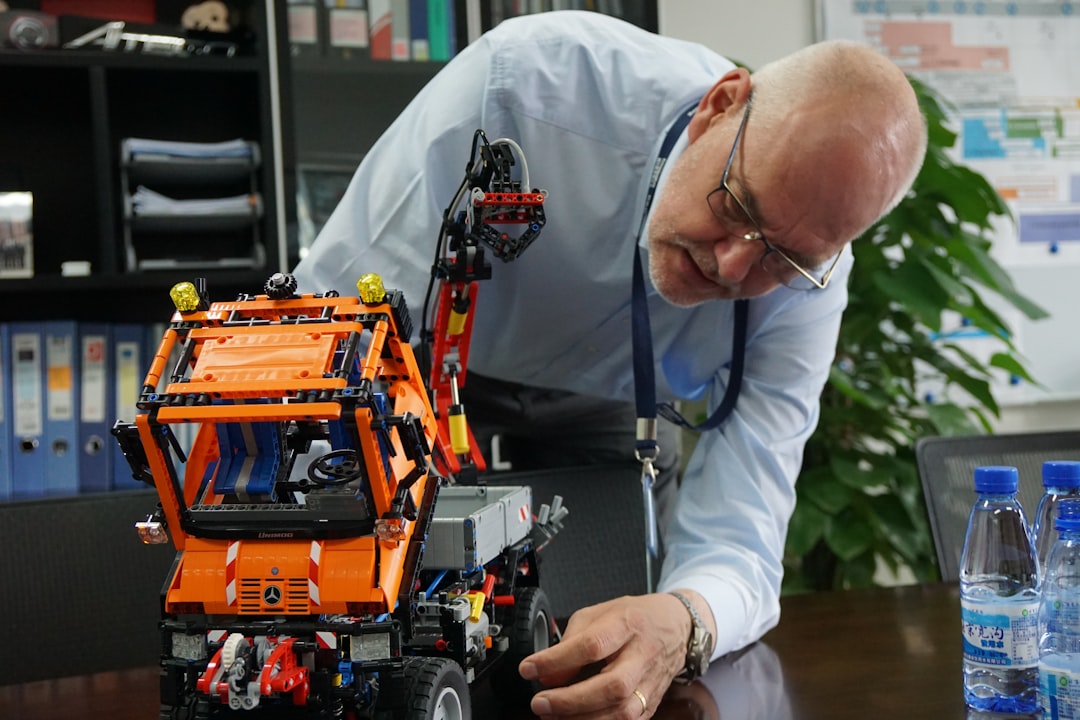
US Bans Foreign Robots: Who Gains, Who Gets Hurt, and Why the Drone Precedent Should Worry Everyone
The US FCC has banned imports of foreign-made advanced mobile robots — including humanoid robots, quadrupeds, and most robot vacuums — citing national security concerns, with the rules applying not only to Chinese manufacturers but also to allied nations like Japan, South Korea, and Germany. Exemptions include small robots under 4.4 pounds, stationary industrial arms, medical devices, drones, and road vehicles, as well as existing previously-authorised models. While some industry figures have praised the move as a boost to domestic robotics, analysts warn it could backfire by cutting off US researchers and startups from affordable platforms before comparable American alternatives are available, echoing the limited success of earlier drone bans.