Apple Hikes Prices Across the Board, Points Finger at Memory Costs
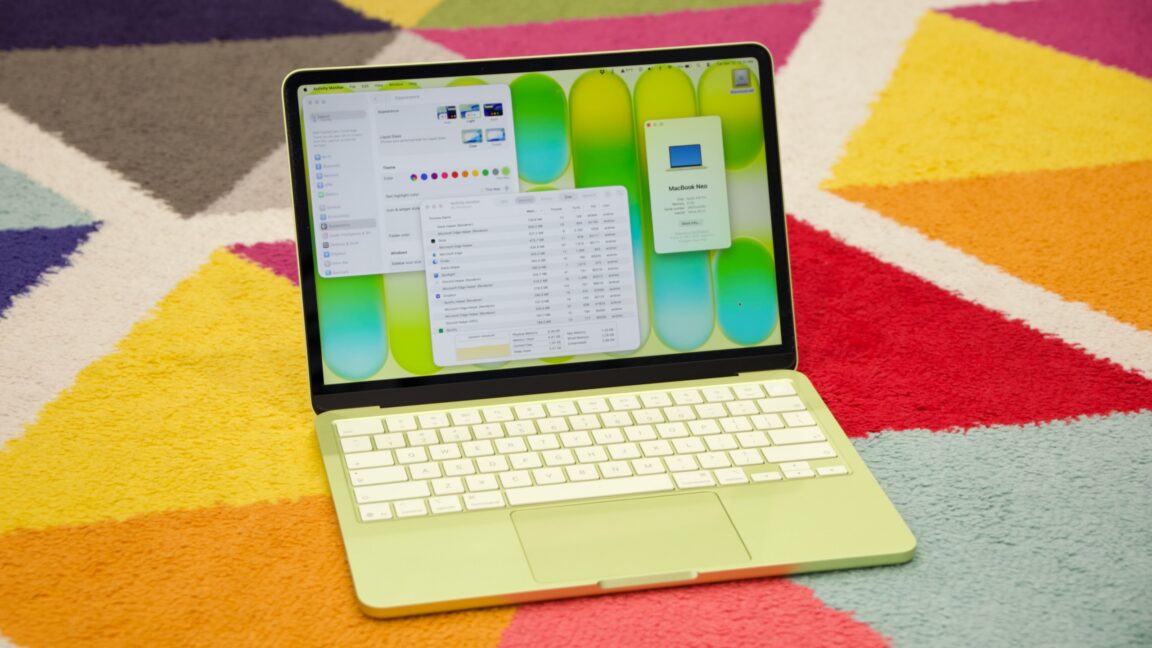
Apple has raised prices on a significant chunk of its product lineup, with some machines costing several hundred dollars more than they did yesterday. The entry-level MacBook Neo jumps from $599 to $699. The iMac climbs from $1,299 to $1,499. The M5 MacBook Pro goes from $1,699 to $1,999. And if you were eyeing the M3 Ultra Mac Studio, that now costs $5,299, a $1,300 increase on what it was before.
The iPad range is also getting pricier, with increases of $100 to $200 depending on which model you're looking at. Smaller bumps have hit the Apple TV and HomePod too. iPhones, for now, are untouched.
So what's driving this? Memory, apparently. Tim Cook told the Wall Street Journal earlier this month that the situation had become "unsustainable," with massive cost increases being passed down the supply chain to Apple. "We're doing our best to mitigate the huge increases that are being passed to us," Cook said, framing the price hikes as reluctant rather than opportunistic. Make of that what you will.
The underlying cause isn't hard to trace. As AI infrastructure spending exploded, chipmakers pivoted toward the high-margin memory products that data centres want, and consumer-grade memory got deprioritised. Supply tightened. Prices rose. The rest of the tech industry has been feeling this for months, with various consumer electronics either getting more expensive or quietly vanishing from shelves.
Apple itself pulled a 512GB configuration of the M3 Ultra Mac from its store back in March without any announcement. That should have been a signal of what was coming.