microsoft7 articles

Microsoft's Own Exec Called AI News Scraping the Biggest Theft in Human History. Turns Out They Knew.
Unsealed court documents from a lawsuit led by the New York Times reveal that senior Microsoft and OpenAI employees privately acknowledged that scraping news content for AI training was potentially unlawful and harmful. A Microsoft director described the practice as possibly "the largest theft of labor in human history" and a "mockery of fair use," while OpenAI's ChatGPT head warned that AI products posed an "existential threat" to news publishers by substituting for them. News organizations argue this internal evidence, combined with data showing significant drops in website traffic and instances of chatbots reproducing articles verbatim, undermines the companies' fair use defence and demonstrates they knowingly harmed the news industry.

Microsoft Enters the Cybersecurity AI Arms Race With MAI-Cyber-1-Flash
Microsoft has launched MAI-Cyber-1-Flash, its first dedicated cybersecurity AI model, designed to identify vulnerabilities in complex code and integrated into its MDASH multi-agent system, which coordinates over 100 specialised AI agents. The model outperformed competitors from Google, OpenAI, and Anthropic in vulnerability discovery benchmarks, while delivering a 50% cost saving by handling routine tasks efficiently and reserving more powerful models for harder challenges. It is being offered through Microsoft's Project Perception agentic security platform, which enters public preview on August 3.

Microsoft and Nvidia Are Building AI Agent PCs, Because Copilot Wasn't Embarrassing Enough
Microsoft and Nvidia are reportedly partnering to launch AI-focused PCs powered by Nvidia chips as the main processor, with devices from Microsoft Surface and Dell expected to be unveiled at Computex and Microsoft's Build conference. Microsoft is also developing new software based on the OpenClaw framework that enables AI agents to handle tasks locally on Windows PCs, with plans to integrate this into Microsoft 365. This marks Microsoft's second major AI PC push, aiming to go beyond the largely unsuccessful Copilot+ PC initiative by embedding AI agents more deeply into actual user workflows.
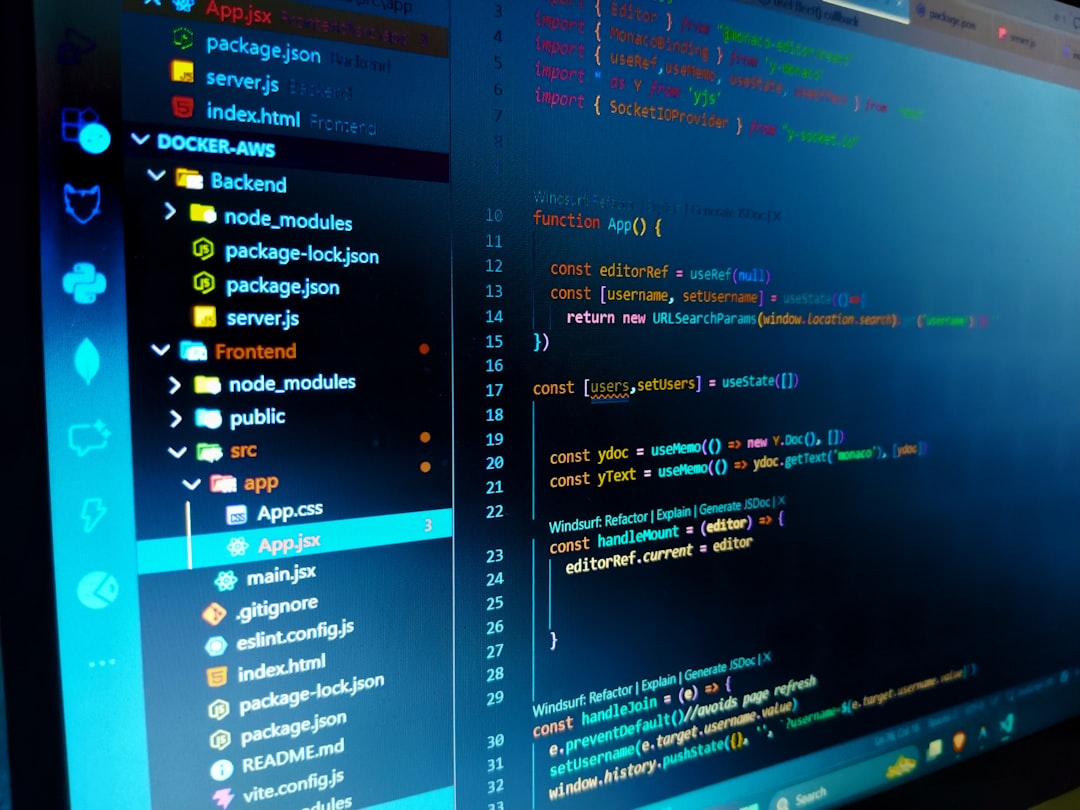
Microsoft Makes Aspire Usable Without Touching C# — TypeScript AppHost Now Fully Supported
Microsoft has released Aspire 13.4, with the headline feature being the general availability of a TypeScript AppHost, meaning TypeScript developers can now use the distributed application development tool without needing to write any C#. Aspire is a CLI-based orchestration and observability tool for building and deploying distributed applications locally, supporting languages including TypeScript, Python, Go, Java, and Rust, with deployment targets such as Azure, Kubernetes, and Docker Compose. Despite being a powerful tool, Aspire has struggled with broader adoption due to its historically .NET-centric nature and difficulty in communicating what it actually does, issues Microsoft is actively working to address.

Microsoft Threatened a Security Researcher With Criminal Charges. It Did Not Go Well.
An anonymous security researcher known as "Nightmare-Eclipse" published six zero-day exploits for unpatched Windows vulnerabilities after claiming Microsoft failed to address the reported bugs, prompting Microsoft's Security Response Center to condemn the actions and hint at potential criminal prosecution. This sparked widespread backlash from the cybersecurity community, with prominent researchers arguing that threatening legal action against security researchers discourages responsible disclosure and pushes researchers toward selling vulnerabilities to malicious actors instead. Microsoft subsequently walked back its position, clarifying it had no intention of pursuing action against researchers conducting legitimate security research.

Microsoft Dismantles Shady Code-Signing Operation Fuelling Ransomware Campaigns
Microsoft has taken down a malware-signing service that threat actors were using to get ransomware and other malicious software past Windows security defences. The operation targeted a cybercriminal outfit providing a kind of laundering service for malware, giving it legitimately signed certificates so it looked trustworthy to the operating system.

AI Bug-Hunting Is Breaking Patch Records Across the Industry
Microsoft's May 2026 Patch Tuesday addressed 118 security vulnerabilities, including 16 critical flaws, but notably contained no zero-day exploits — a rare occurrence in nearly two years. The surge in patching activity across major tech companies, including Apple, Google, Mozilla, and Oracle, is largely attributed to "Project Glasswing," an AI vulnerability-detection tool developed by Anthropic that has proven highly effective at identifying security flaws in code. The tool has dramatically increased the volume and pace of security patches industry-wide, with Mozilla fixing 271 vulnerabilities in Firefox 150 and Google patching 127 Chrome flaws in a single update.